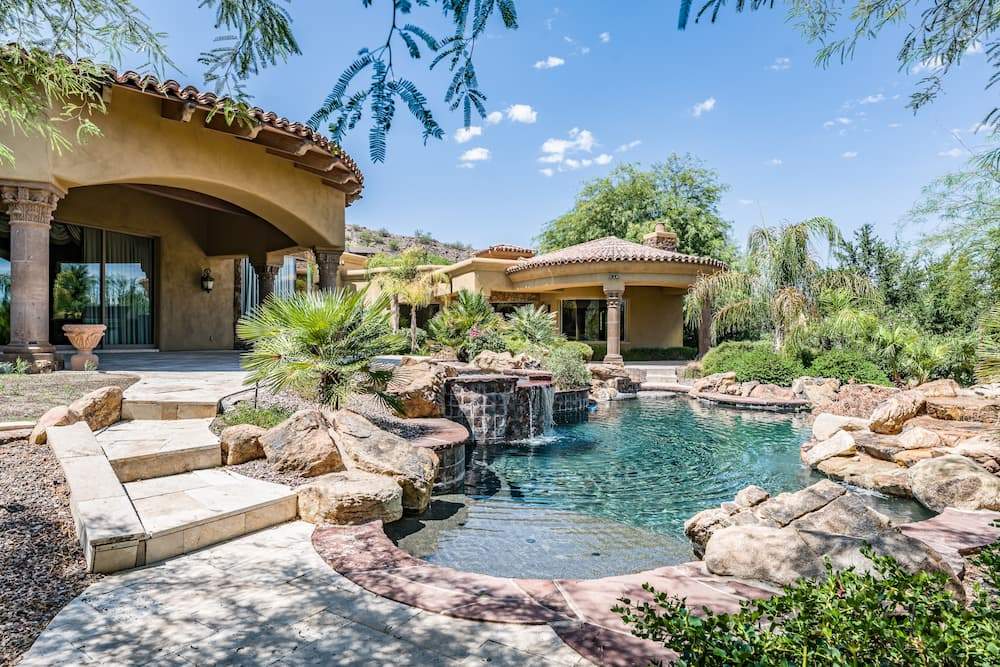
Florida’s coastline is known for its beautiful ocean views, but living by the sea also brings unique building challenges. No matter if your home is a small beach cottage or a large estate, it’s important to choose exterior materials that both look good and last in tough conditions. Natural stone not only matches the beauty of the coast but also holds up well against salt, humidity, and erosion.
At Epic Stoneworks, we offer high-quality natural stone materials that fit your surroundings and stand up to Florida’s coastal weather. We want to help you find stone options that protect your home and add lasting beauty.
Best Types of Stone Building Materials for Coastal Climates
Homes on Florida’s coast face salt, humidity, and erosion, which can wear down many building and landscaping materials. Natural stone stands up to these challenges. It doesn’t warp or corrode from saltwater, reflects heat, and isn’t affected by humidity.
Some of the best stone materials for coastal homes are:
- Oolite: Its porous nature helps with drainage, and its hardness protects it from salt damage.
- Flagstone: Its porous surface allows for easy drainage, and it’s strong enough to handle heavy use and harsh weather.
- Travertine: Its high porosity keeps it from absorbing water and salt, which helps prevent stains, discoloration, and damage.
Best Options for Coastal Architecture
Our top stone products help with water drainage, resist salt damage, and are strong enough to prevent erosion. Whether you need wall veneer, blocks, or pebbles, Epic Stoneworks has natural stone options for many coastal building projects.
- Paving Stones: These can be made from flagstone, ivory travertine, oolite, or coralina. They come in different sizes to fit your needs and are tough enough to handle salt, sand, and humidity.
- Oolite Block Walls: This stone is quarried in South Florida and often contains fossils or shells, giving it a look similar to coral stone. Oolite blocks form in the ocean and naturally resist damage from salt and humidity.
- Oolite Wall Veneer: This is a thin layer of oolite stone added to the outside of a wall. It offers the same protection as oolite blocks and helps shield exterior walls.
- Beach Pebbles: Whether polished or not, beach pebbles are a neat and stylish alternative to mulch. They help with water drainage, resist erosion, and stay in place even on windy days.
Choosing the Right Material for Your Coastal Environment
Natural stone comes in different sizes, shapes, and finishes, so each type works best in certain areas of your home or yard. For example, the stones you use for walkway drainage may not be the best choice for protecting your exterior walls.
Beach Pebbles for Elegant and Durable Gardens and Walkways
Beach pebbles come in sizes from half an inch to over 7 inches. They’re available in many colors and textures, making them great for gardens, walkways, ponds, fountains, or any spot that needs filling.
Paving Stones for Lasting Walkways, Patios, and Pool Surrounds
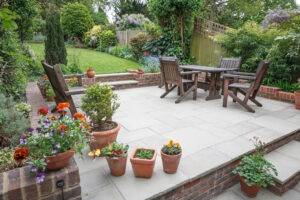
Natural stone pavers resist salt and moisture better than concrete or asphalt. They also drain well and help prevent erosion, making them a smart choice for patios, walkways, and stepping stones.
Oolite Blocks and Veneer for Home Exterior, Retaining Walls, and Shoreline Retention
Oolite stones are tough and resist erosion. Because they’re uniform, they can be cut or shaped in any direction, so they work well as thin veneer, large boulders, or blocks. Oolite is great for exterior walls, retaining walls, planters, and shoreline protection.
Contact Us at Epic Stoneworks to Learn More
Natural stone fits right in with the look of a coastal property and lasts through tough weather. Whether you need pavers or pebbles, natural stone works for almost any coastal landscaping project. Epic Stoneworks is South Florida’s top source for natural stone. Contact us to find out more about your options.
Image credit: // Shutterstock // Gill Couto