A GUIDE TO Pathway Landscaping for Florida Residents
Updated: March 3, 2025
With so many visual elements involved in a landscape design (gardens, driveways, patios and pools, to name just a few), it’s easy for one’s property to lack a sense of interconnection. This is where pathway landscaping comes into play. Houses and other structures tend to split up the yard into several sections, leaving us with many distinct areas that on their own may be quite beautiful, but somehow don’t seem to relate to one another. See how we can improve landscaping for your Miami home.
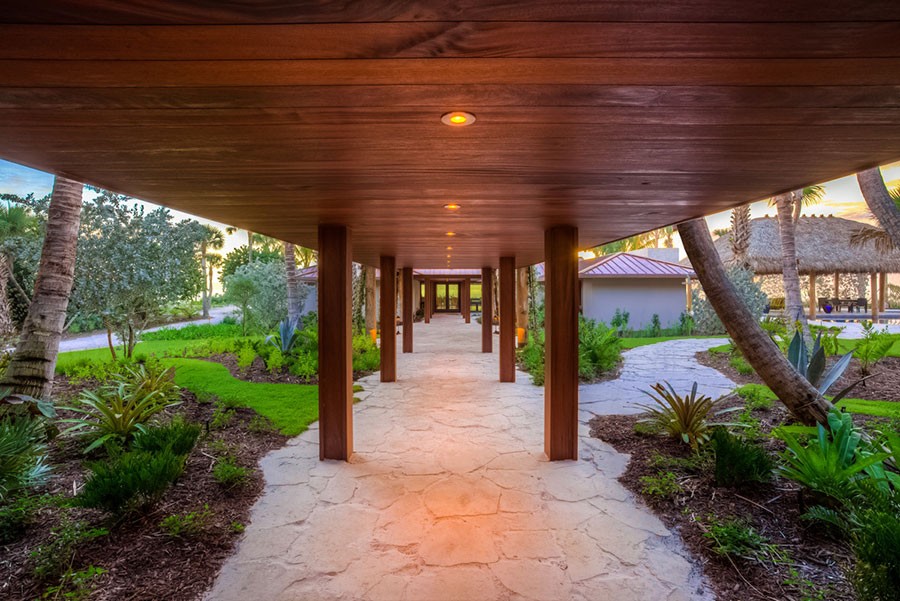
Garden pathways connect separate areas of a yard — patios, pools, gardens, and driveways — into a cohesive landscape. Common pathway materials for Florida homes include gravel, crushed stone, cut stone, concrete, and paving bricks. Key considerations for Florida pathway landscaping include proper drainage with a 1/8 inch per foot grade, path width based on intended use, and curved designs that blend naturally with the surrounding landscape.
Creating Garden Pathways to Connect Hardscaping
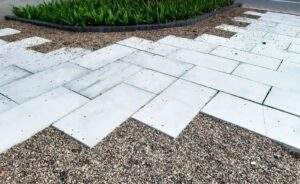
One of the simplest ways to connect these disparate regions in a yard is to build garden pathways. Some of the cheapest options for pathway landscaping include placing down gravel, wood chips or crushed stone, but with more time and energy to spend, you could also consider cut stone, concrete or bricks. In the latter case, it’s important to choose paving bricks rather than wall bricks, as these are more durable and are better suited for an outdoor environment. Ultimately, the material you choose should blend well with your landscape and the structures within it (such as your house).
Key Considerations For your Florida Backyard
Your Environment
Rainfall is another crucial factor to take into consideration when creating a garden pathway to connect two areas. While gravel, wood chips and crushed stone drain water quite naturally, other materials can pool water instead. To prevent this from happening, make sure to create a grade of roughly 1/8 inch per foot. This can be accomplished by creating a subtle rise in the middle of the path or by tilting the path slightly off to one side, enabling the water to run off. You can always see our past projects for inspiration.
What Else You Use Your Yard For
Knowing how wide to build the path generally depends on its function. Two feet wide is sufficient for walking and three feet can accommodate wheelbarrows or a lawnmower, while a width of five feet or more can enable two people to walk side by side on the path quite comfortably. Learn more about us in Miami, FL.
Visual Appeal for Garden Pathways
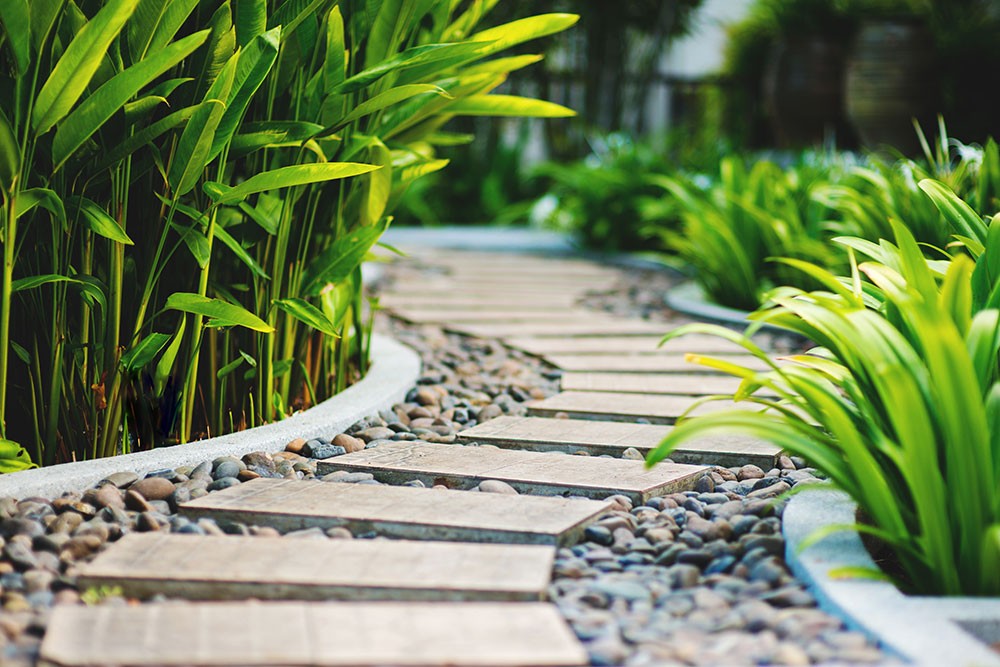
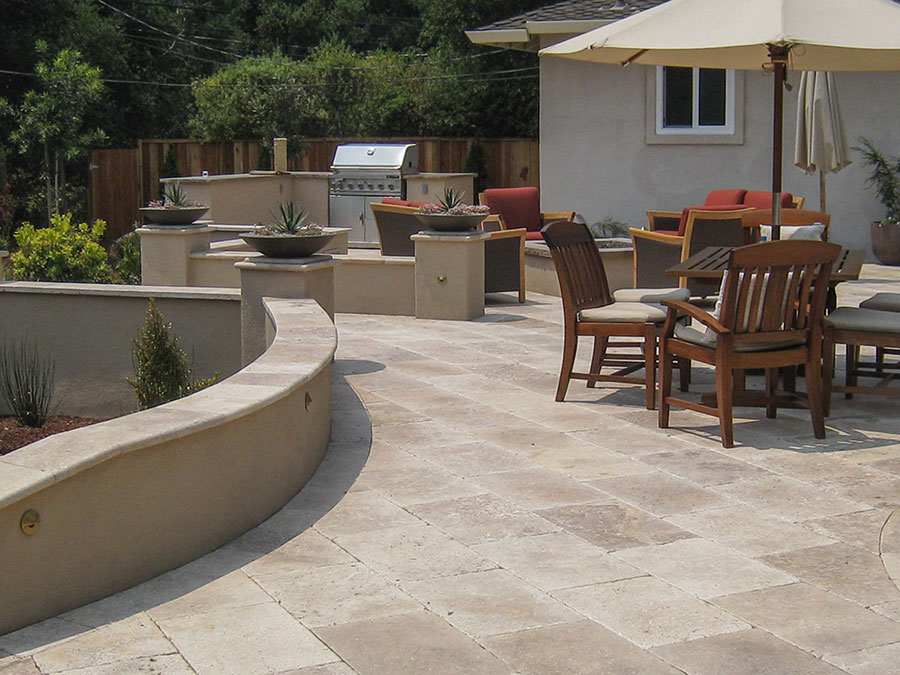
Aesthetically, curved garden pathways tend to be more attractive and merge more seamlessly with the landscape than straight paths. A winding path is also enticing, especially if all the twists and turns lead to new viewpoints.
For example, you could build a path leading away from the patio and then curving around a bend to reach an herb garden or a fountain. Paths could even be circular, enclosing a pond or a group of trees to create an island effect.
Tips for creating functional and aesthetic garden pathways
Garden Pathways provide many benefits to a landscape. They give a reason to admire a view and to stop and smell the flowers. The creative potential is also quite limitless. You could subtly taper off the width of a path in order to make a small grove of trees appear longer, or you could pique visitor’s curiosity by winding the path out of sight.
Garden Pathways make your landscape safer to explore for children and adults alike and can protect your lawns and gardens from being trampled upon. Above all, they provide your landscape with a sense of cohesion by connecting many different regions together. Questions? Call 305-255-2848 to get in touch with the Epic Stoneworks team.
Frequently Asked Questions: Garden Pathway Landscaping in Florida
What materials are best for garden pathways in Florida?
Common pathway materials for Florida homes include gravel, wood chips, crushed stone, cut stone, concrete, and paving bricks. Paving bricks are recommended over wall bricks as they are more durable and better suited for outdoor environments. The material chosen should complement the surrounding landscape and existing structures.
How wide should a garden pathway be?
Pathway width depends on its intended use. Two feet is sufficient for a single person walking, three feet can accommodate a wheelbarrow or lawnmower, and five feet or more allows two people to walk side by side comfortably.
How do you prevent water pooling on a garden pathway in Florida?
To prevent water pooling, create a drainage grade of roughly 1/8 inch per foot. This can be achieved by building a subtle rise in the middle of the path or by tilting the path slightly to one side so water runs off naturally.
What is the best shape for a garden pathway?
Curved and winding pathways tend to be more visually appealing and blend more seamlessly with the landscape than straight paths. A winding path also adds intrigue, especially when it leads to new viewpoints such as an herb garden, fountain, or pond.
What are the benefits of garden pathways in a landscape?
Garden pathways connect separate areas of a yard into a cohesive landscape, protect lawns and gardens from being trampled, make outdoor spaces safer for children and adults, and create opportunities to highlight views and features throughout the property.